


How Do You First Time Play Rummy Game? 7 Practical Steps I Follow
How Do You First Time Play Rummy Game? 7 Practical Steps I Follow
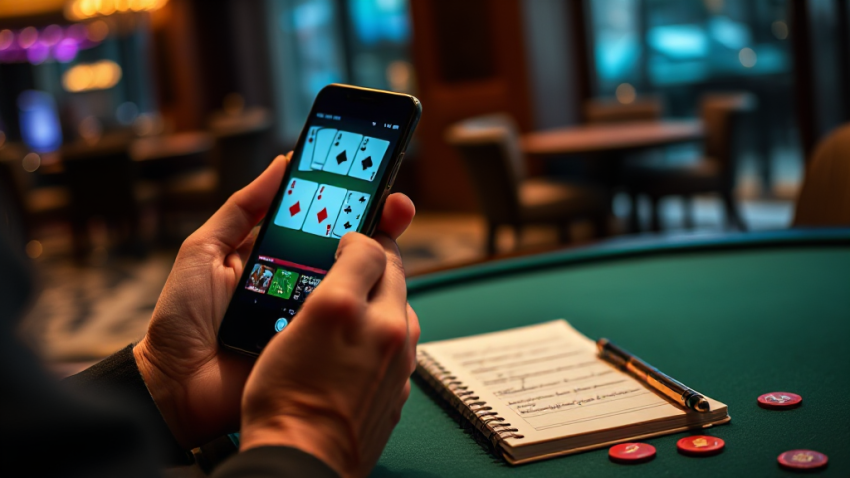
If you are about to First Time Play Rummy Game, here is the short answer I give friends who ask me: install one rummy app, sign up with your mobile number, read the lobby rules once, join the lowest-stake table available, and play one full hand without worrying about winning. That is it. Everything else — bonuses, withdrawals, table selection, timing — comes after you have survived your first hand without panicking.
I have been playing rummy on my phone for a few years now, and I still remember how confusing my first session felt. The lobby looked crowded, the buttons did not make sense, and I discarded the wrong card twice in one hand. This is the routine I now walk people through when they ask me how to start, based on what actually tripped me up rather than what the help pages assume you already know.
1. Pick One App and Stop Comparing
The biggest mistake I see first-timers make is opening five rummy apps at once. They download three, register on two, and end up confused about which lobby belongs to which app. My routine is simple: choose one app, finish the installation, and stay there for at least a week before judging it.
When I help someone choose, I look at three things only. First, the app should install cleanly from the source you trust. Second, the signup should not demand more personal information than a mobile number and a display name. Third, the lobby should show table stakes clearly before you tap anything. If any of those three feels off, I move on. A directory-style site such as Play Rummy Lane is useful here because it groups apps by bonus and withdrawal details, so you can compare before installing rather than after.
One practical note: keep the number of apps on your phone low. Every extra app is another set of notifications, another bonus timer, and another reason to lose track of your budget.
2. Set Your Limits Before You Register
This step is boring and almost everyone skips it. I do it before I even open the signup screen. I decide two numbers: how much money I am willing to treat as entertainment spend for the month, and how many minutes I will play in a single sitting. Then I write both down somewhere outside the app.
The reason this matters on day one is that rummy apps are designed to keep you in the lobby. There is always another table, another tournament, another bonus that expires soon. If you have not decided your limits in advance, the lobby decides them for you. I treat the timer on my phone as part of the routine, not as an optional extra.
For a first session, I usually suggest a very small entertainment amount and a 30-minute cap. You are not there to win. You are there to learn the interface, the discard flow, and the difference between a pure sequence and an impure one under real time pressure.
3. Learn the Two Rules That Actually Matter
Rummy has a long rulebook, but on your first day only two rules decide whether you win or lose. The first is the pure sequence. You need at least one sequence made without a joker, and it must be a run of three or more consecutive cards in the same suit. The second is the declaration. You must arrange your cards into valid sets and sequences, then declare before anyone else at the table.
Everything else — points calculation, joker rules, drop options — can wait until your second or third session. I have watched beginners memorize the full points table and still lose because they declared without a pure sequence. Focus on those two rules and you will avoid the most common first-day loss.
If you want a quick mental checklist before each hand, use this one: do I have a pure sequence, do I have a second sequence or a set, and am I close enough to declare? Three questions, ten seconds, and you will play far better than someone guessing.
4. Start at the Lowest Table Available
Every rummy app I have used has a low-stakes or practice table. I always start there, even when I feel confident. The reason is not the money. It is the speed. High-stakes tables move faster, players drop quicker, and you get less time to think about your discard. On a low table, you can watch how other players behave without burning your budget.
My routine for the first three sessions is: one low table, one full hand, then log out. I do not chase losses, I do not join a second table, and I do not open the tournament section. This sounds restrictive, but it builds the habit of stopping while you are still thinking clearly.
After three sessions, I move up one level only if I can explain why I lost the previous hand. If I cannot explain it, I stay at the same level. That single rule has saved me more money than any bonus code.
5. Read the Bonus and Withdrawal Terms Once
Bonuses look generous on the lobby banner and much less generous in the terms page. I read the terms once, on day one, before I claim anything. I look for three things: the minimum play requirement, the expiry window, and the withdrawal conditions attached to the bonus amount.
I am not saying bonuses are bad. I am saying that a bonus you cannot withdraw comfortably is not really a bonus. If the terms require more play than your monthly limit allows, skip the bonus and play with your own small amount. You will enjoy the session more and you will not feel pressured to keep playing to unlock something.
This is also where a comparison site earns its place. Instead of reading terms inside five different apps, you can review bonus and withdrawal details side by side, then install only the one that fits your budget and your patience level.
6. Play One Full Hand Without Trying to Win
Here is the exercise I give every first-timer. Join a low table, play one full hand, and set a personal goal of simply finishing the hand correctly. Do not try to win. Do not try to bluff. Just arrange your cards, pick your discards, and declare only if you are certain.
What this does is remove the pressure that makes beginners discard randomly. When winning is not the goal, you actually notice the interface: where the discard pile is, how the timer counts down, how the app shows your melds. By the end of one hand, you will know more than you would from ten minutes of reading a help page.
After the hand, close the app and write one sentence about what confused you. That sentence becomes your focus for the next session. My first sentence was about the discard button placement. My second was about joker selection. Small notes, fast improvement.
7. Build a Repeatable Session Routine
By the end of your first week, you should have a routine you can repeat without thinking. Mine looks like this: check my monthly limit, set a 30-minute timer, open one app, join one low table, play two hands, log out, and note one thing I learned. That is the whole session. It takes less than an hour and it keeps the hobby in proportion to the rest of my day.
The routine matters more than the results in the first month. Rummy is a skill game, and skills improve through repetition with feedback, not through long marathon sessions. If you play two focused hands a day for a week, you will improve faster than someone who plays twenty hands in one sitting and remembers none of them.
When you are ready to compare apps or check installation details for Android, do that comparison on a day you are not playing. Keep the two activities separate so the lobby does not pull you into an unplanned session.
Questions I Get From First-Time Players
How much money should I start with?
Start with an amount you would happily spend on a cinema ticket and forget about. If losing that amount would affect your week, it is too much for a first session. The goal on day one is learning the interface, not building a bankroll.
Do I need to memorize all the points rules before playing?
No. Learn the pure sequence rule and the declaration rule first. Points calculation and drop options can wait until your second or third session. Most first-day losses come from declaring without a pure sequence, not from miscounting points.
Is it better to play on a phone or a tablet?
Either works. I prefer a phone because the apps are designed for one-hand use and the tables are easier to read on a smaller screen. A tablet gives you more space but can make the lobby feel busier than it is.
How do I know when to stop for the day?
Use a timer, not a feeling. When the timer ends, log out even if you are winning. Stopping while you are ahead is easier than stopping while you are frustrated, and it trains the habit you will need for every future session.
That is the routine I wish someone had handed me before my first hand. Pick one app, set your limits, learn two rules, play one low-table hand, read the bonus terms once, and repeat. Do that for a week and you will be past the beginner stage without the usual confusion.




Leave a Reply