


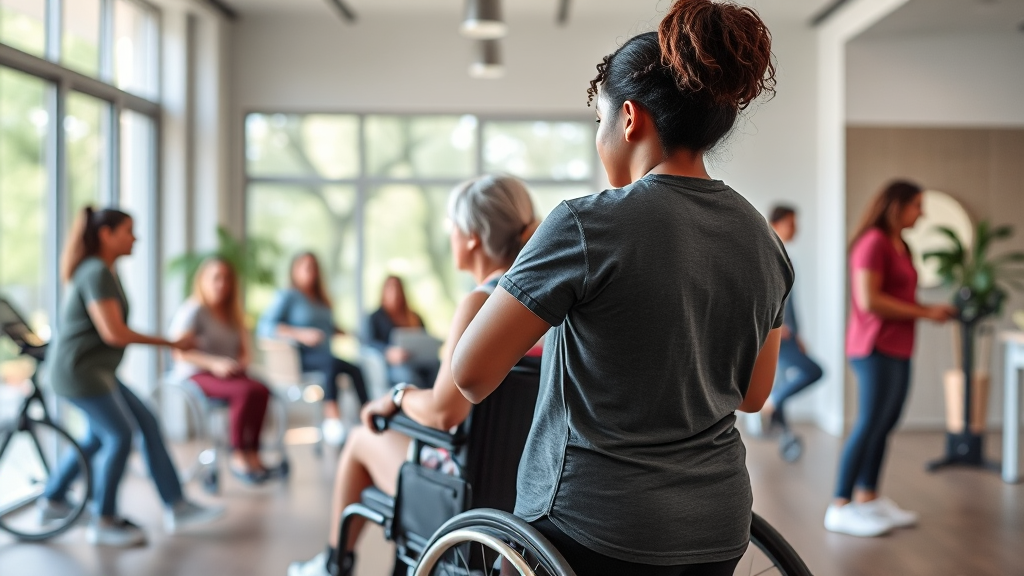
Fitness Centre: A Holistic Hub for Health, Wellbeing, and Inclusive Community
Fitness Centre: A Holistic Hub for Health, Wellbeing, and Inclusive Community
In today’s fast-paced world, the concept of a Fitness Centre has evolved far beyond a simple room filled with treadmills and weights. Modern fitness centres are becoming holistic wellness hubs that cater to a diverse range of needs, from physical rehabilitation to mental health support. For many, including individuals with disabilities, a fitness centre is not just a place to exercise—it is a vital part of their daily living support and community participation. Whether you are looking to improve your strength, manage a chronic condition, or simply find a supportive environment to stay active, understanding what a contemporary fitness centre offers can be transformative.
The Evolution of Fitness Centres: From Gyms to Wellness Communities
Gone are the days when fitness centres were exclusively for bodybuilders and athletes. Today, they are inclusive spaces designed to welcome people of all ages, abilities, and fitness levels. This shift reflects a broader understanding of health as a multifaceted concept that encompasses physical, mental, and social wellbeing. Many centres now collaborate with healthcare professionals, including physiotherapists, exercise physiologists, and occupational therapists, to offer integrated programs. This is particularly beneficial for individuals who require a NDIS Provider to coordinate their health and fitness goals, as exercise can be seamlessly incorporated into their overall care plan. The modern fitness centre is a community hub where people come together to improve their quality of life, making it a cornerstone of preventive healthcare.
Key Components of a High-Quality Fitness Centre
A truly excellent fitness centre distinguishes itself through several key features that go beyond basic equipment. Here are the components that elevate a facility from ordinary to exceptional:
- Accessibility and Inclusivity: Ramps, wide doorways, accessible changing rooms, and adaptive equipment ensure that everyone, including those with mobility aids, can use the facilities comfortably. A centre that prioritises accessibility is a true asset to its community.
- Qualified and Empathetic Staff: Trainers and staff who are trained to work with diverse populations, including people with disabilities, are essential. They can modify exercises and provide the necessary encouragement and support.
- Comprehensive Program Offerings: From group fitness classes to one-on-one personal training, and from low-impact aquatic therapy to high-intensity interval training, a diverse schedule meets the varied needs of members.
- Recovery and Rehabilitation Zones: Areas dedicated to stretching, foam rolling, and physiotherapy support are crucial for injury prevention and recovery, bridging the gap between exercise and healthcare.
- Community and Social Spaces: A café, lounge area, or social calendar encourages members to connect, fostering a sense of belonging that is vital for mental health and sustained motivation.
For those who receive Disability Care Services, a fitness centre that offers these components can become a safe and empowering environment. It is a place where they can work on their NDIS Daily Living goals, such as improving balance or building upper body strength to perform daily tasks more independently. The right centre becomes more than a gym; it is a partner in their overall wellbeing journey. Registered NDIS
How Fitness Centres Support NDIS Participants and People with Disability
For NDIS participants, engaging with a fitness centre can be a powerful way to achieve their plan goals. Exercise is not just about physical health; it is intrinsically linked to Daily Living Support. Regular physical activity can improve motor skills, coordination, and endurance, which directly translate to greater independence in daily tasks like cooking, cleaning, and personal care. Moreover, fitness centres offer a structured environment for NDIS Community Participation Social activities. Group classes provide opportunities to interact with others, build friendships, and reduce feelings of isolation.
Many NDIS participants are now using their funding for Community Participation Support to include regular visits to a fitness centre. This is a proactive approach to health that aligns with the principles of Supported Independent Living (SIL). By building physical capacity, individuals in SIL arrangements can manage their homes with less reliance on others. Furthermore, the psychological benefits of exercise are immense. Physical activity is a proven mood booster and can be an effective tool for managing stress and anxiety, which is why some participants also incorporate Psychological Support into their routine. A fitness centre, therefore, acts as a complementary service to other NDIS supports, creating a holistic approach to health and wellbeing.
Specialised Programs and Allied Health Integration
The best fitness centres are those that recognise the value of integrating allied health services. Having in-house or partnered Physiotherapy, Exercise Physiology, and Occupational Therapy can provide a seamless experience for members. An exercise physiologist, for example, can design a program specifically for someone with a spinal cord injury or cerebral palsy, ensuring that exercises are safe and effective. A physiotherapist can assist with injury rehabilitation, while an occupational therapist can suggest adaptive equipment that can be used in the gym.
This integration is particularly valuable for individuals who require Specialised Disability Accommodation. For those living in supported accommodation, having access to a fitness centre that understands their unique needs is a significant advantage. It can reduce the need for hospital visits, improve overall health outcomes, and enhance their quality of life. Moreover, many centres are now offering Telehealth services, allowing members to consult with a physiotherapist or exercise physiologist remotely. This is especially beneficial for those with mobility challenges or those who live in rural areas. Even pediatrics is being addressed, with specialised programs designed to help children with disabilities develop motor skills and enjoy physical activity in a supportive environment. The collaboration between fitness centres and NDIS Allied Health Services is a game-changer, ensuring that exercise is not an afterthought but an essential component of a person’s care plan. (Dandenong)
Choosing the Right Fitness Centre for Your Needs
Selecting a fitness centre is a personal decision that should be based on your individual goals, preferences, and any specific health conditions. Here are some factors to consider:
- Accessibility: Check for ramps, accessible restrooms, and equipment that can be adapted for your use.
- Staff Training: Inquire about the staff’s experience with people with disabilities or chronic conditions. Are they certified in adaptive fitness?
- Program Variety: Look for a centre that offers a range of classes and training options that align with your interests and abilities.
- Atmosphere: Visit the centre and get a feel for the culture. Is it welcoming and non-judgemental? Do you feel comfortable?
- Location and Hours: Convenience is key. A centre that is close to your home or workplace and has hours that fit your schedule is more likely to be a regular part of your routine.
For NDIS participants, it is also important to consider whether the centre can support your specific plan goals. For example, if your plan includes Personal Care, you may need a centre that has staff who can assist you with changing or personal hygiene. If you require High Intensity Care, ensure that the centre has staff trained to support you. A great fitness centre will work with your support network, including your NDIS Support Coordination team, to ensure a consistent and integrated approach to your health. It is also worth checking if the centre offers Day Programs that can be aligned with your fitness routine, maximising the benefits of your NDIS funding.
The Future of Fitness Centres: A Blend of Technology, Health, and Community
Looking ahead, fitness centres are set to become even more integrated with healthcare systems. We are already seeing the rise of wearable technology that tracks heart rate, sleep patterns, and activity levels. This data can be shared with physiotherapists or exercise physiologists to fine-tune exercise prescriptions. Virtual reality and gamified exercise are also making fitness more engaging and accessible for people with disabilities. Imagine a stroke survivor using a VR-based system to practice reaching and balance in a safe, virtual environment. These innovations are breaking down barriers and making fitness more inclusive than ever.
Moreover, the concept of Respite Care is being integrated with fitness. Some centres are now offering programs where individuals can participate in supervised exercise sessions while their regular caregivers take a break. This provides a dual benefit: the participant gets the health benefits of exercise and social interaction, and the caregiver gets much-needed rest. This holistic approach is also being applied to 24-hour care / disability support, where fitness is incorporated into daily routines within residential settings. For example, a Provider Melbourne may partner with a local fitness centre to offer on-site or off-site exercise programs for residents. This is a win-win, as it promotes physical health, mental wellbeing, and social connection, all of which are fundamental to a high quality of life. Speech Pathology
How to Get Started at a Fitness Centre
Taking the first step can be daunting, but it is also incredibly rewarding. Here are some practical tips to help you begin your fitness journey:
- Consult Your Healthcare Team: Before starting any new exercise program, especially if you have a disability or chronic condition, talk to your doctor, physiotherapist, or exercise physiologist. They can provide guidance on what types of exercise are safe and beneficial for you.
- Visit Several Centres: Take tours of different fitness centres. Ask questions about accessibility, equipment, and staff training. See which one feels like the best fit for you.
- Start Slowly: Begin with low-intensity activities and gradually increase the duration and intensity as your fitness improves. Listen to your body and don’t push yourself too hard in the beginning.
- Work with a Professional: Consider booking a few sessions with a personal trainer or exercise physiologist who has experience working with people with similar needs. They can help you develop a safe and effective program.
- Set Realistic Goals: Define what you want to achieve, whether it’s improving your balance, increasing your strength, or simply feeling more energetic. Having clear goals will keep you motivated.
Remember, a fitness centre is more than just a place to exercise; it is a community that can support you in achieving your health and wellbeing goals. Whether you are an NDIS participant looking to enhance your NDIS Daily Living skills or someone who simply wants to live a healthier life, the right fitness centre can make all the difference.
Frequently Asked Questions (FAQ)
1. How can a fitness centre benefit someone with a disability?
Fitness centres offer numerous benefits for people with disabilities, including improved physical strength, flexibility, and endurance. Exercise can help with daily living tasks, boost mental health, and provide valuable social interaction. Many centres also offer specialised programs and adaptive equipment to cater to a wide range of abilities.
2. Are fitness centres accessible to NDIS participants?
Yes, many fitness centres are accessible and welcome NDIS participants. You can use your NDIS funding to cover gym memberships and exercise programs if they align with your plan goals. It’s important to discuss this with your NDIS support coordinator to ensure it’s a funded support. Psychology/Counselling
3. What should I look for in a fitness centre if I have a specific health condition?
Look for a centre that has staff trained in adaptive fitness or who have experience working with your specific condition. Check for accessible facilities and equipment. Also, consider a centre that offers allied health services like physiotherapy or exercise physiology on-site or nearby, as this can provide a more integrated approach.
4. Can a fitness centre help with my mental health?
Absolutely. Exercise is known to reduce symptoms of anxiety and depression, improve mood, and enhance overall mental wellbeing. Many fitness centres also offer yoga, mindfulness classes, and a supportive community atmosphere that can contribute positively to your mental health.
5. How do I get started if I’m new to exercise?
Start by consulting your healthcare provider to ensure you’re cleared for exercise. Then, visit a few fitness centres, talk to the staff, and consider booking a session with a trainer who can guide you. Begin with low-intensity workouts and gradually progress. The key is to find an activity you enjoy so you’ll stick with it.

Leave a Reply